



Healthier air for classrooms, so kids learn and stay in class
Quiet, low running cost HEPA purifiers and CO2 monitoring for New Zealand schools, classrooms and early childhood centres. Reduce the airborne bugs that empty seats in winter, and keep the air kids breathe clear enough to focus, without a noisy unit teachers end up switching off.
Commercial/Education
Classrooms fill with stale air and bugs, fast
Put twenty five or more kids in a closed room, especially in winter with the windows shut for warmth, and the air goes stale quickly. NZ studies have measured exactly how stale, and it lines up with what teachers already know: stuffy rooms, distracted kids, and a row of empty seats every time something goes around.
The honest part first: those high CO2 numbers are a ventilation problem, and the fix is fresh air and a monitor to show when to open up. A purifier does not lower CO2. Where it earns its place is the other half, removing the airborne bugs and fine particles that drive winter absences, especially in the cold months when windows stay shut, and in rooms that cannot open a window at all.
What schools and preschools are dealing with
Learning spaces have a particular set of pressures. Knowing which is which helps you put fresh air, monitoring and filtration where each actually helps.
Stuffy, high CO2 rooms
A full classroom builds CO2 quickly, and high CO2 is linked to poor concentration and impaired learning. This is a ventilation job, fresh air and a monitor, not something a purifier fixes.
Coughs, colds and flu
Schools are a primary setting for respiratory bugs to spread, and kids pass them around fast. Cleaner air helps cut the airborne load that turns one sick child into a half empty class.
Nap and sleep rooms
Many preschool sleep rooms cannot open a window, so ventilation is limited just when little ones are breathing the same air for an hour or two. A quiet purifier is a genuine help here.
Winter, windows shut
NZ winters mean closed windows for warmth, which is exactly when ventilation drops and bugs circulate most. A filtration layer keeps working when the windows cannot.
Focus and learning
Stale, high CO2 air leaves kids drowsy and distracted, and is linked to lower test results. Clearer air supports the concentration learning depends on.
The honest summary
Open windows and a CO2 monitor handle the stuffiness. A quiet HEPA purifier handles the airborne bugs and particles, the part that keeps working through a cold NZ winter.
Open the windows, see the air, filter the rest
No gimmicks, and we will never tell you a purifier replaces fresh air. The three things that actually work in a classroom, in the order they matter.
Open the windows
Fresh air is the main fix for CO2 and airborne bugs. NZ studies show classrooms can get to good ventilation just by opening windows. Where you can, this comes first.
See the air with a CO2 monitor
A monitor makes an invisible problem visible, showing teachers when to open up before the room passes 800ppm. NZ schools were supplied monitors for this reason. Early childhood centres mostly were not.
Filter what is left
When it is too cold to open up, or a room cannot, a HEPA purifier removes the airborne bugs and particles fresh air would have cleared. Quiet enough that it stays on, which is the whole point.
Which purifier suits which learning space
Schools and centres run from small sleep rooms to big multipurpose halls, so the right answer is usually a mix sized to each space. Here is a practical starting point. We will confirm sizing for your rooms.
| Space | Rough size | Good fit | Why |
|---|---|---|---|
| Preschool sleep rooms, small activity rooms | Up to ~25m² | SA600 or Sqair | The SA600 runs at 16dB on low, quiet enough for nap time and for rooms that cannot open a window. The Sqair is the value pick. |
| Standard classrooms | Up to ~60m² | SA600 or SA700 | Both stay quiet enough to leave on through a lesson. The SA700 wall or ceiling mounts, keeping it off the floor and out of reach of small hands. |
| Large classrooms, flexible learning spaces, ECE activity rooms | Up to ~85m² | SA700 or Blast Mini | Strong clean air output for bigger, busier rooms. The SA700 mounts out of the way, the Blast Mini moves on castors. |
| Halls, gyms, multipurpose rooms | Up to ~130m² | Blast Mk II | The highest clean air output we stock, for the largest shared spaces. Big rooms may need more than one. |
Room sizes are a guide based on roughly 3 air changes per hour. Send us your spaces and we will size it properly, and help you prioritise the rooms that need it most.
Quiet purifiers teachers will actually leave on
Sized by clean air delivered (CADR), and chosen for low noise and low running cost. The SA700 mounts out of children's reach. For sleep rooms and small spaces, the Sqair and SA600 round out the range.

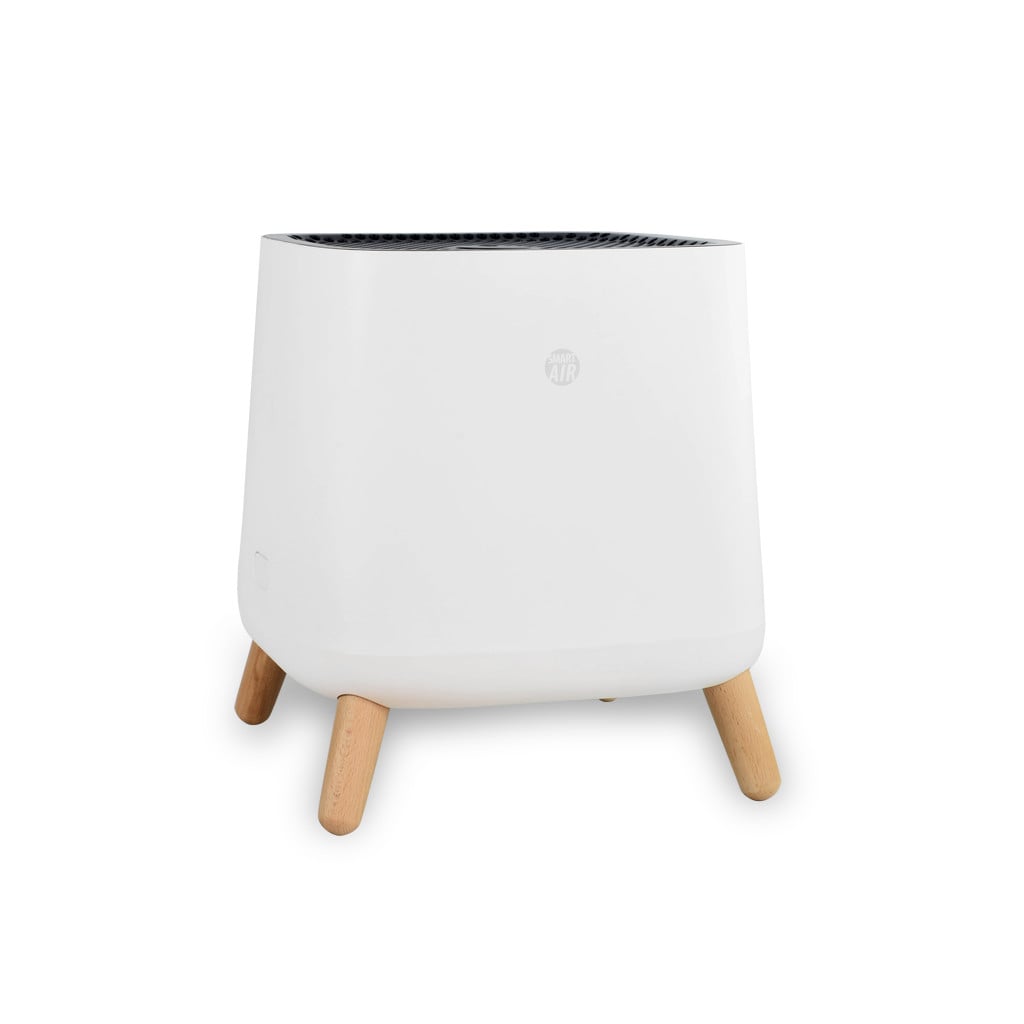
Smart Air SA700
Wall or ceiling mounts, off the floor and out of reach of small hands. Quiet at 42dB and runs on about the power of a Wi-Fi router, easy on a school budget.
bulk pricing on request Details →
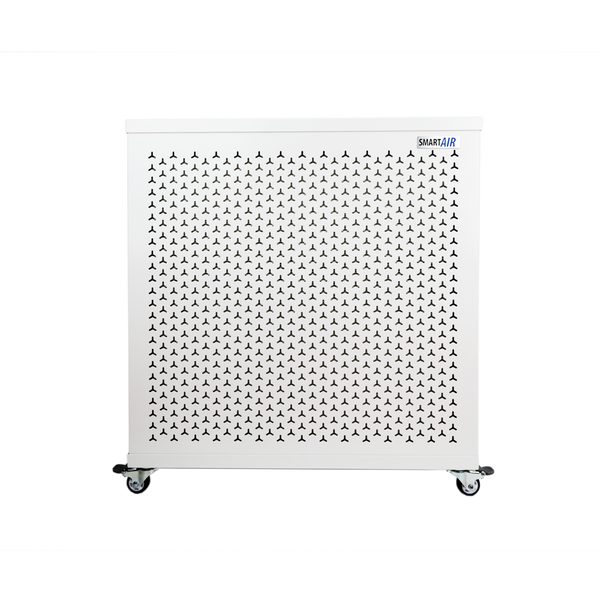
Blast Mini Mk II
Three speeds and a washable pre-filter, on castors to move between rooms. H13 HEPA as standard. Clears an 85m² space in around 17 minutes on high.
bulk pricing on request Details →
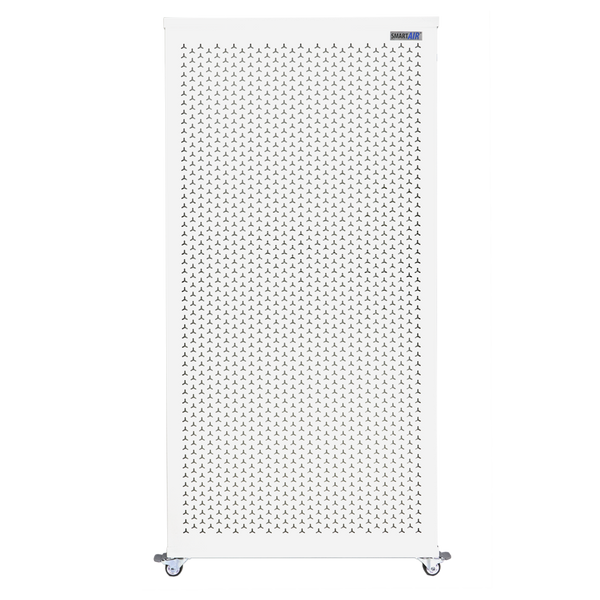
Blast Mk II
The highest CADR we have seen in New Zealand, for halls, gyms and large shared spaces. Quiet for its power at 43dB on full. H13 HEPA as standard.
bulk pricing on request Details →
Named best classroom air purifier out of 13 models tested
HouseFresh and Safe Air Schools ran an independent UK comparison of 13 popular classroom air purifiers, judged on real-world CADR, noise levels and running costs. The Blast Mini Mk II, the same model available here, came out on top, rated quiet enough to run through the school day without a big power bill.
Sleep rooms and small spaces?
For preschool nap rooms, small activity rooms and quiet corners, the SA600 and Sqair are the right scale. The SA600 runs at just 16dB on low, quiet enough to leave on through nap time.
Bulk and multi room pricing available. Backed by Christchurch based support. See how the full range compares in our guide to the best value air purifiers in NZ.
Make the stuffy air visible
CO2 is the simplest signal that a classroom needs a window open. NZ schools were supplied monitors for exactly this, but most early childhood centres were not, despite studies finding high CO2 in centre sleep and activity rooms. A monitor on the wall turns it into a number teachers can act on.
Honest pairing: a monitor does not clean the air, and a purifier does not lower CO2. The monitor tells you when to ventilate, the purifier handles the bugs and particles when you cannot.

Smart Air CO2 Monitor
A simple 3 in 1 for CO2, temperature and humidity, with real time Wi-Fi alerts. Wall mountable, up to 30 day battery. Ideal for classrooms and ECE sleep rooms.
What clean air will and will not do in a classroom
We would rather set the right expectations now than oversell to a school spending careful money.
What a good setup does
- Removes airborne bugs and fine particles, including through closed-window winters
- Helps cut the airborne load that drives winter absences
- Helps protect the room when a window cannot be opened, like many sleep rooms
- Runs quietly and cheaply, so it stays on rather than getting switched off
What it will not do
- Lower CO2 or fix a stuffy room. That is fresh air and a monitor
- Replace opening windows when the weather allows it
- Stop every bug. It reduces airborne spread, it does not remove it
- Replace surface cleaning and hand hygiene. It handles the air, not the desks
A note on "active" air treatments
You will see ionisers, bipolar ionisation and similar add ons marketed to schools for virus control. We keep our distance, and we would be especially cautious around children. Independent evidence for real world benefit is thin, and some of these devices can produce byproducts such as ozone, which is not something young lungs should be breathing all day. We stick to what is measurable and proven: mechanical HEPA filtration and fresh air. Our guide to air purifiers for viruses explains the reasoning.
Show families you take their children's air seriously
Running Smart Air purifiers in your school or centre? Request free Air+ stickers for the door or window. A simple, honest signal to parents and whānau that the air their kids breathe is being looked after.
School and preschool air purifiers, answered
Will a purifier fix our stuffy classroom?
Not on its own. Stuffiness is high CO2, which is a ventilation problem, so the answer there is fresh air and a CO2 monitor to show when to open up. A purifier handles the other half, the airborne bugs and particles, which matters most in winter when windows stay shut.
Is it quiet enough that teachers will not switch it off?
That is exactly what we size for. Noisy purifiers get turned off, which defeats the point. The SA600 runs at 16dB on low, and even our larger units are quiet for their power, so they can stay on through a lesson without being a distraction.
Is it safe around children?
Yes. We only sell simple fan and filter purifiers, with no ionisers or ozone. The SA700 wall or ceiling mounts, keeping it off the floor and out of reach of little hands. There is nothing for a child to get into.
Can it reduce colds and flu spreading, and the absences that follow?
It can help. Schools are a primary setting for respiratory bugs, and HEPA filtration removes virus carrying particles from the air. Cleaner air is one layer alongside fresh air, hand hygiene and kids staying home when unwell, not a guarantee, but it helps cut the airborne load.
What about preschool sleep rooms that cannot open a window?
This is one of the best uses for a purifier. Where ventilation is limited, a quiet HEPA unit running through nap time removes airborne bugs and particles from the air little ones are breathing. A CO2 monitor in the room is worth pairing with it.
What does it cost to run on a school budget?
Very little. The SA700 draws about 12W, roughly the power of a Wi-Fi router, around 7 cents a day running non stop. We can give per unit running and filter costs with a quote so there are no surprises.
Do you do bulk pricing for schools and centres?
Yes. Tell us your rooms and how many units and we will put together honest pricing, including ongoing filter cost. We can also help you prioritise the rooms that need it most, and add CO2 monitors where they help.
What about ionising or "air sanitising" units other suppliers push?
We do not sell them, and we are especially cautious about anything that adds ozone to a room full of children. We stick to proven HEPA filtration and ventilation. Our viruses guide explains why.
Let's sort your school or centre
Tell us the rooms, rough sizes and how they are used. We will recommend the right setup with honest sizing and bulk pricing, and help you prioritise. No pressure, no jargon.
You send a few details. Classrooms, sleep rooms, halls, rough sizes.
We size it properly. By CADR and air changes, and flag where ventilation comes first.
You get a clear quote. Honest pricing, including ongoing filter cost.
Prefer email? Reach us directly at commercial@snapair.co.nz