



Can Air Purifiers help with the Bromley Wastewater Treatment Odour?

Cover Image: Willem van Valkenburg, CC BY 2.0, via Wikimedia Commons
Residents across Christchurch and especially in Eastern Christchurch areas near the Bromley wastewater treatment plant have been dealing with ongoing odour issues ever since the fire, which have worsened significantly in early 2026.
The smell, akin to rotten eggs or sewerage has been making life miserable for many residents with hydrogen sulfide (H2S) being a particular concern. A local family featured in a recent Stuff article: We are being poisoned: Father of two fears awful smell making his family sick who shared their experience of living near the ponds. They were suffering from queasiness, headaches, sinus issues and more - which a doctor had suggested is consistent with hydrogen sulfide exposure.
After reading the article, we reached out to see whether providing carbon heavy air purifiers could make a practical difference during odour events. We wanted to know, can air purifiers actually lessen the health impacts of hydrogen sulfide? Early results are promising, with some caveats. Let's explain.
Table of contents
1. HEPA vs Gas - Why Most Purifiers Won't Help Much
Hydrogen sulfide is a gas as opposed to a particle. This matters, because HEPA filters are excellent at removing particles like PM2.5, pollen and dust. However they do not remove gases or odours. To reduce gas and odours in the air, you need activated carbon.
Activated carbon works by absorbing gases and chemicals that pass through it. This works well in an air purifier as it will push air through the carbon filter allowing chemicals and odours to be absorbed.
Great, so as long as I get a purifier which says it has a carbon filter, I'm good right? Unfortunately, it's not quite that simple.
Understanding Carbon Filters:
Many purifiers include carbon filters, because it can absorb gases and odours which is a great selling point.
The problem is, many filters have a token amount of carbon added, in order to claim this benefit. Some even just spray a little bit onto a fabric mesh to say they provide a carbon filter. In reality these are basically useless. To filter odours and gases, the more activated carbon you have by weight, the more effective it is.
2. Understanding the Limitations of Carbon Filters

While carbon filters do absorb odours and chemicals, there are limitations to be aware of. It's not a magic bullet on its own, but they can be helpful in the right situations.
The purifier need to be right sized for the space, this means more powerful units for areas like living rooms and smaller units for bedrooms. This ensures air is regularly circulated through the carbon filters.
As carbon filters absorb odours, they gradually 'fill up'. Once they've been saturated, they can no longer absorb anything and need to be replaced with fresh filters.
They provide the most relief if the purifier is used in areas people are in. For example living room in the day/evening and bedroom at night.
Odours won't be eliminated completely, as they are constantly being introduced into the home - especially with strong odours like the Bromley wastewater plant odour. However, they can be reduced and impacts lessened.
3. A Real World Trial in Aranui
After reading the Stuff article, we contacted the household to see if they would be open to trialling carbon-heavy air purifiers in their home. The focus of the trial is:
Testing the effectiveness of our units with enhanced carbon filtration
See if/how quickly the carbon gets saturated, to provide realistic filter lifespans in this environment
Find out if there are noticeable improvements to the symptoms the family have been suffering from, likely due to Hydrogen Sulfide.
Real world environment in a family home, operating as normal

The trial began on 4th February 2026, and we had some reassuring feedback early on. Often you don't notice an air purifier is doing anything, until you're reminded of what could be happening:
"We were questioning if they were working when it became evident they were over the wkend. We had all been indoors, milling about doing different tasks. Nobody had symptoms. Then we started going in and out the front door and quickly all started getting headaches and feeling queasy. The smells were there. The snap air system was filtering them out of our air. We will continue to trail them and add data to see if these are a positive thing for dealing with the smell and gas."
We've also heard encouraging feedback from Ciarán's wife Sara, and we continue to keep an eye on how things are panning out and what the council is saying.
"Hey Shaun, just wanted to say your air purifiers have been a bloody life saver on days like this when the ponds are particularly pungent"..."We've had the council come around once to monitor the chemical levels outside and inside our house, and then with the purifiers on. So they have seen that they decrease the levels."
4. The Air Purifier Setup Used

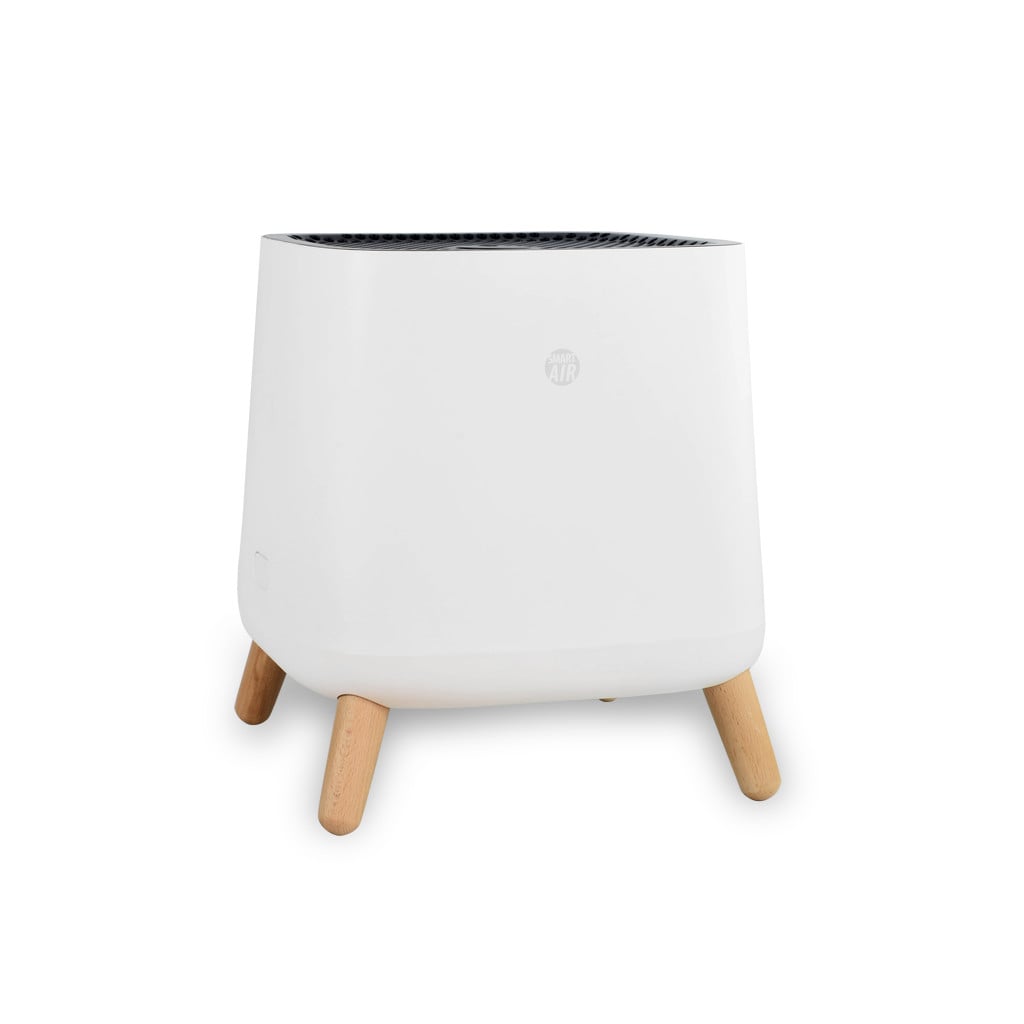
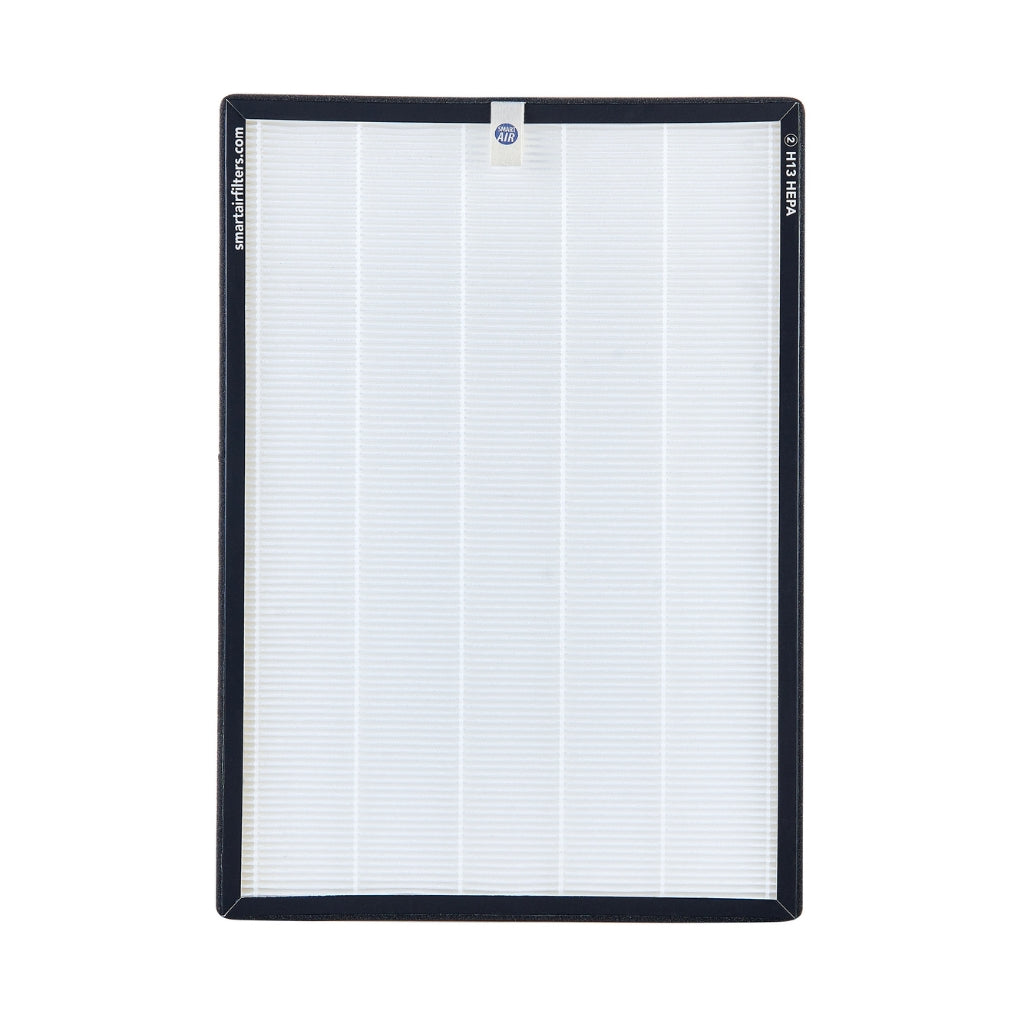
We used 2x SA600 Air Purifiers and 1x Blast Mini Air Purifier. The SA600 normally comes with 2x Carbon and 2x HEPA filters (plus 2x prefilters). Since we were only focusing on VOCs, we removed both HEPA filters and replaced them with 2 additional carbon filters. This means each SA600 now packs 4 carbon filters totaling 680g of activated carbon. The SA600 also avoids technology like ozone and with a max noise level of 51dB, keeps the noise level bearable.

The Blast Mini by default only includes a HEPA filter, however carbon filtration can be added. The HEPA filter is designed so that a carbon filter can be slotted into it. We went beyond the normal setup and added two carbon filters, which means it now totals approximately 1.1kg of activated carbon. Adding these filters into the powerful and quiet Blast Mini, it's suitable for larger spaces and is used in the main open living area.
5. Why We're Sharing This
We’re based in Christchurch.
At Snap Air we try to take a fact based approach to air quality. Rather than making assumptions, we prefer to test ideas in real-world conditions before sharing them publicly.
When we saw a local family publicly calling out how difficult the Bromley odour has been to live with, we reached out to see whether increased carbon filtration indoors could make a meaningful difference. We wanted to trial the setup properly and see consistent results before writing about it.
So far, their experience has been positive.
If you’re in east Christchurch and finding the odour difficult to live with indoors, feel free to get in touch. We’re happy to work through your home layout and help determine the most appropriate carbon-focused setup for your situation. For households directly impacted by the Bromley odour events, we’re also offering support with discounted pricing where we can.
Will this remove hydrogen sulfide completely?
Carbon filters may reduce some odour gases indoors, but complete removal cannot be guaranteed and results vary by home.
Should I just open windows?
During peak odour events, opening windows may increase indoor odour levels. We recommend closing windows and running purifiers when the odours are bad.
Will a carbon heavy purifier reduce my symptoms?
We can't guarantee it will. However, the carbon filtration can absorb VOCs like Hydrogen Sulfide, which is the likely cause of symptoms many people experience.
Will an air purifier with an auto mode be effective?
Ours rely on manual control, but many air purifiers use a sensor and auto mode. However, these are often inaccurate and normally do not pick up on VOCs like Hydrogen Sulfide. Therefore, it's best to run purifiers on a manual setting in this situation.
Relevant Articles:


Share