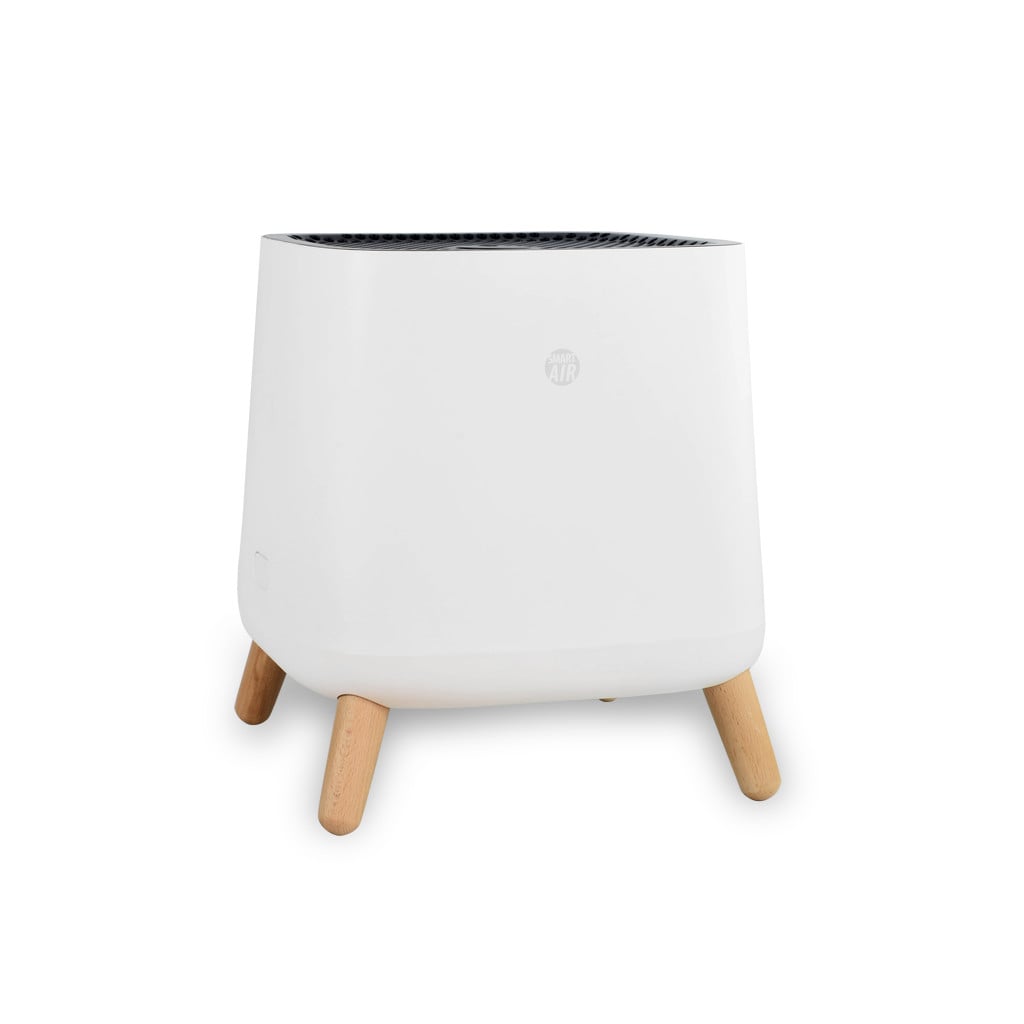




Why should you get an Air Purifier?
Is an air purifier actually worth it?
Short answer: for most NZ homes, yes, when you buy the right size for the room. Here is the honest case, what a purifier does well, what it cannot do, and the one number that matters most.
Clean country, not always clean air indoors
New Zealand has low pollution by world standards, so it is fair to ask whether a purifier is needed here at all. The catch is that the air inside your home is a different story to the air over the Southern Alps.
Winter woodsmoke is the big one. On a still, cold night in places like Christchurch and Central Otago, fine particle levels can climb well past health guidelines, and a fair amount drifts indoors. Add everyday sources like cooking, dust, pet dander, pollen in spring, and damp that feeds mould, and the indoor air you actually breathe can carry more than you would expect.
The pollutant that matters most for health, PM2.5, is small enough to reach deep into the lungs. A good look at winter air quality in New Zealand shows why a HEPA purifier earns its place even in a clean country.

A purifier handles the indoor side. Fresh air and ventilation handle the rest.
Where a purifier earns its place
A HEPA purifier pulls air through a fine filter and pushes cleaner air back out. Run continuously in the right size room, that steady cleaning adds up. Here is where people notice it most.
Fewer triggers in the room
HEPA captures pollen, dust, and pet dander down to a fraction of a micron. Lowering how much of that floats around can mean fewer triggers indoors for hay fever and allergy sufferers.
Takes the edge off smells
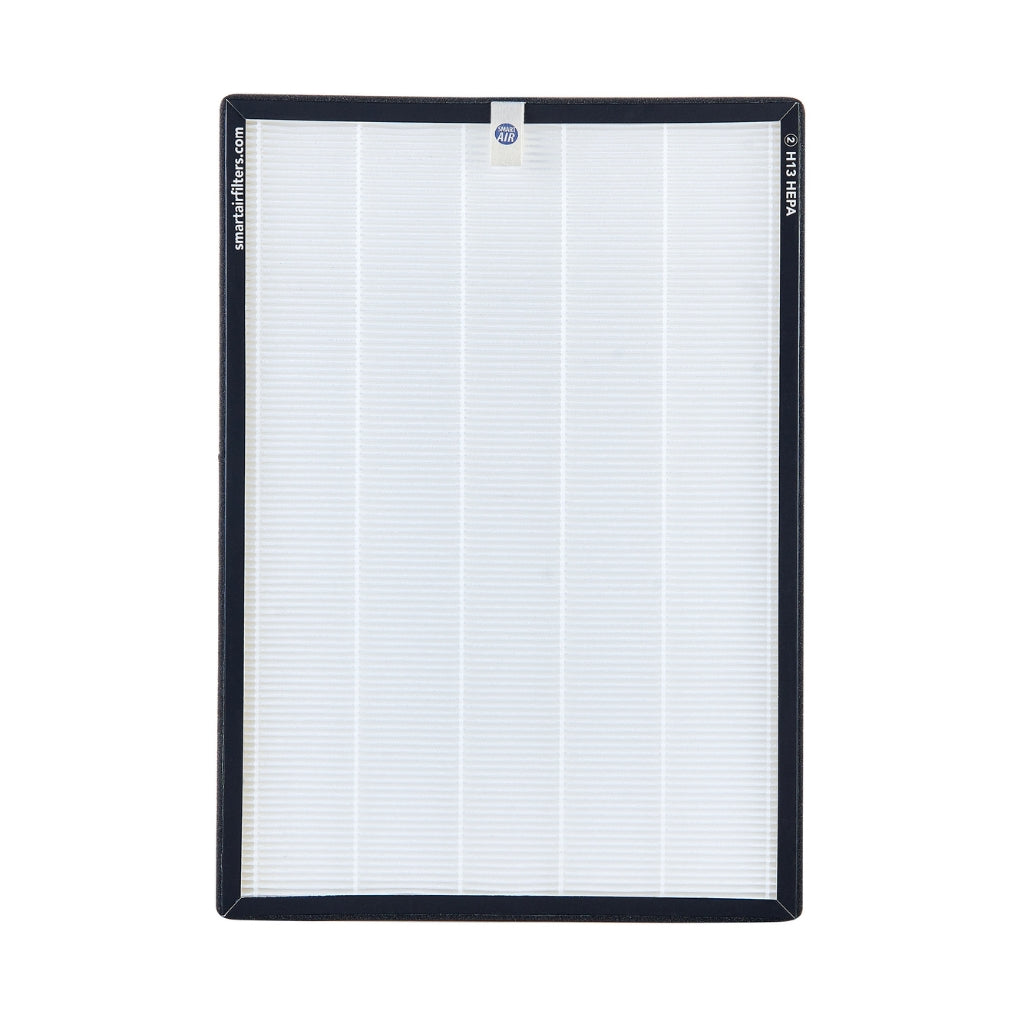
Fitted with a proper activated carbon filter, a purifier helps with cooking smells, pet odour, and smoke in the air. Carbon works best as real granular pellets, not a thin coated mesh.
One layer against bugs in the air
Viruses and bacteria often travel on tiny airborne droplets. HEPA captures particles in that size range, so a purifier is one useful layer alongside ventilation, not a force field.
Cleaner, quieter nights
Cleaner bedroom air can mean a clearer nose and fewer night-time disruptions. A quiet unit on a low speed also adds a soft, steady hum that many people sleep better with.
Useful when the air turns
Wood burner season, bushfire haze drifting across the Tasman, or a damp, mouldy snap. These are the times a purifier does its most visible work, holding indoor particle levels down while you sort ventilation.
Shared spaces, shared air
Any room where people gather and windows stay shut benefits from steady filtering. Pair a purifier with a CO2 monitor so you know when to open up as well as filter.
What a purifier can and cannot do
Plenty of marketing out there promises the world. We would rather you buy one knowing exactly where it helps and where it does not, so it actually does the job you bought it for.
What it does well
- Captures fine particles. Dust, pollen, pet dander, smoke, and the droplets that carry germs.
- Reduces airborne allergens in the room while it runs, which many allergy and hay fever sufferers notice.
- Takes the edge off odours when fitted with real activated carbon pellets.
- Runs quietly enough for a bedroom. Our range sits between 42 and 52 dB at full power, and as low as 16 dB on a low speed.
- Works as one layer alongside ventilation to lower the airborne load in shared rooms.
What it cannot do
- Lower CO2. Only fresh air and ventilation do that, which is why a monitor helps.
- Fix the source of mould or damp. It catches airborne spores, it does not dry the wall.
- Remove dust already settled on surfaces. That is still a job for the cloth.
- Cure a medical condition. It can reduce triggers in the air, but it is not a treatment.
- Clean a whole house from one corner. Size it to the room, or run one per space.
If you remember one thing, make it CADR
Clean Air Delivery Rate, or CADR, is how much clean air a purifier actually delivers each hour, in cubic metres. It is the honest measure of whether a unit can keep up with your room. Filter grade and quoted room sizes come second, and those room-size claims are often optimistic.
Work out the CADR you need
A larger unit ticking over on a low speed can deliver the same clean air as a small unit working flat out, with less noise. That is why we point people at CADR and headroom rather than the smallest unit that technically fits. Want the full walkthrough? Our guide to choosing an air purifier covers grade, noise, and filter costs in plain language.
Ready for cleaner air?
Quiet, powerful HEPA purifiers sized for real NZ rooms, with fast local delivery and honest support from us in Christchurch. If you are not sure which one fits, just ask.
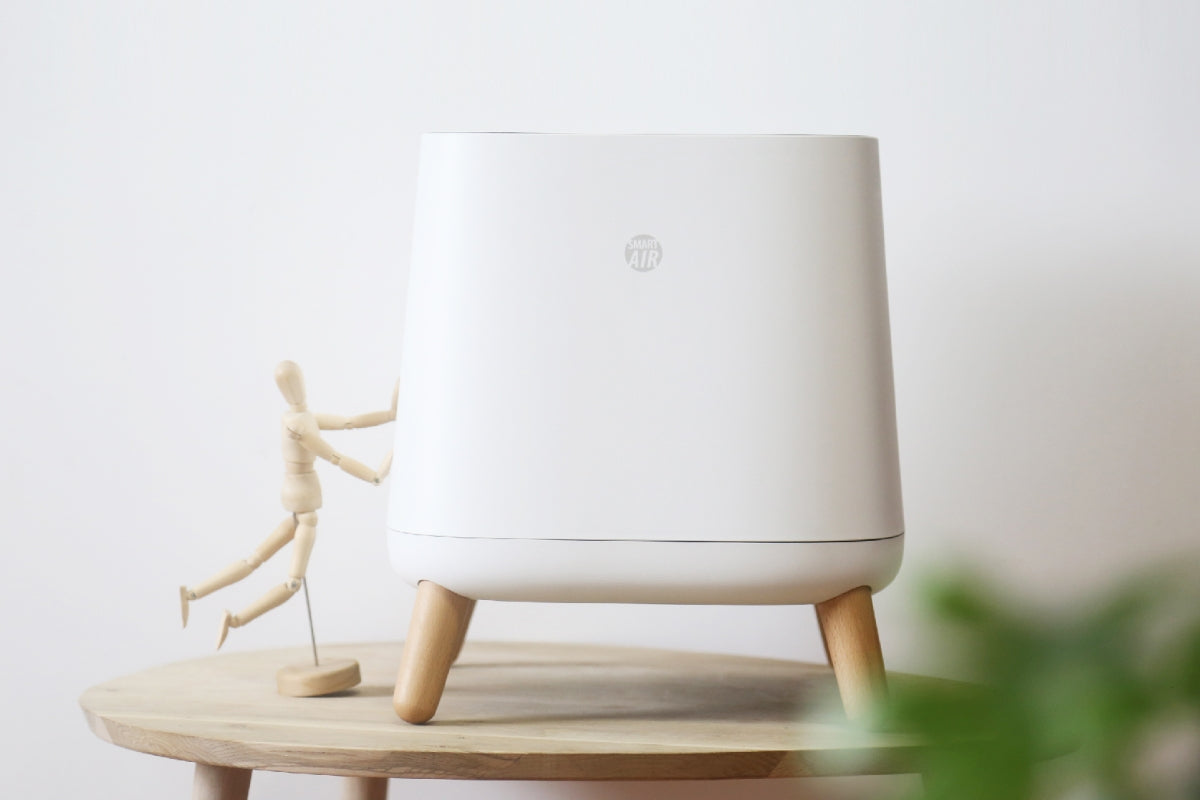
Ready For Clean Air?
Check out New Zealand's best value Air Purifiers. Quiet and powerful HEPA Purifiers, with fast NZ delivery and local support.