Clean Air Blog

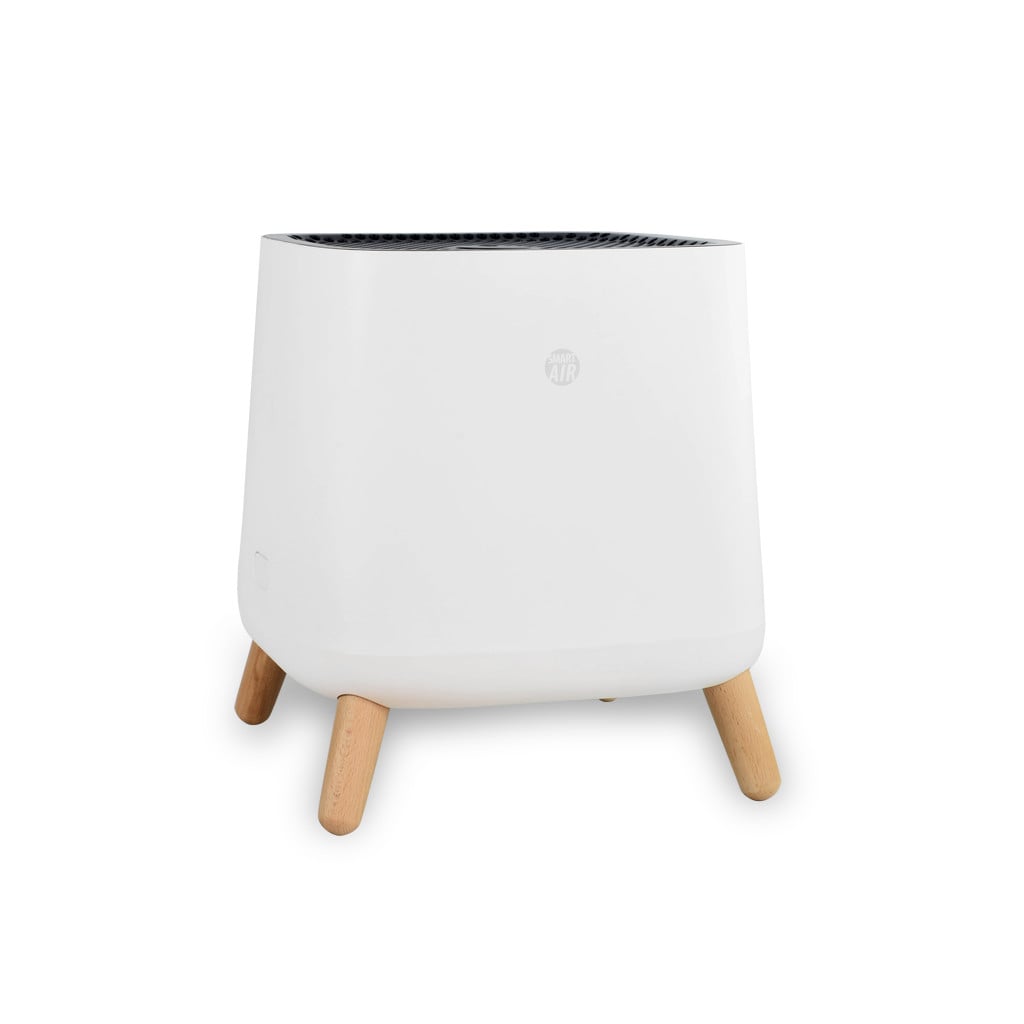
Smart air blast mini air purifier in corner of a living area

Clean Air Blog

Air Purifiers for Mould: What They Can (and Can’t) Do

on Jan 19 2026
If you’re dealing with mould in your home, it’s natural to look for solutions that improve the air you breathe. Many people search for an air purifier for mould hoping it will fix the problem entirely. The reality is more nuanced. Air purifiers can help reduce airborne mould spores, which may improve comfort and air quality. However, they don’t stop mould from growing. That’s because mould is caused by moisture, not dirty air alone. This article explains: How air purifiers help with mould Why HEPA filtration and high CADR matter What air purifiers can’t do How to set realistic expectations for mould control Quick Summary: Air Purifiers for Mould Mould growth is caused by excess moisture, not poor air circulation alone Air purifiers do not reduce humidity or remove mould from surfaces A properly sized air purifier can help by capturing airborne mould spores HEPA filtration + high CADR are the two most important features Long-term mould control still requires dehumidification and ventilation Table of contents 1. What mould is - and why it affects indoor air quality 2. What actually causes mould growth (important context) 3. How air purifiers help with mould 4. Why HEPA filtration and high CADR matter for mould 5. What air purifiers can't do (setting expectations) 6. The role of dehumidification and ventilation 7. Air purifier & dehumidifier combo units 8. Where an air purifier fits in a mould management plan 1. What mould is - and why it affects indoor air quality Mould is a type of fungus that thrives in damp, poorly ventilated environments. It spreads by releasing microscopic spores into the air, which can remain airborne for long periods. Common places mould appears in NZ homes include: Bathrooms and laundries Bedrooms with poor ventilation Wardrobes Behind furniture or curtains When inhaled, mould spores can irritate the airways and may worsen symptoms for people with asthma, allergies, or respiratory sensitivities. 2. What actually causes mould growth (important context) Mould is a moisture problem first. Mould growth is driven by: High indoor humidity Condensation on cold surfaces Poor ventilation Leaks or water damage Until moisture is controlled, mould will continue to return - regardless of how clean the air is. 3. How air purifiers help with mould Air purifiers don’t stop mould from growing, but they can still help in certain ways. What air purifiers can do: Capture airborne mould spores Reduce the spread of spores to other rooms Improve overall indoor air quality Help reduce exposure after mould has been cleaned Reduce symptoms in those with mould sensitivities This can be especially helpful: After visible mould has been removed During damp seasons when spores are more common In bedrooms or living areas where people spend long periods How this works (simple explanation) Air purifiers pull air through a filter. If that filter is a HEPA filter, it will physically trap mould spores as the air passes through. This doesn’t remove mould already growing on walls or ceilings. But it can help reduce what’s floating in the air, which is often what causes symptoms. 4. Why HEPA filtration and high CADR matter for mould Not all air purifiers are equally effective at dealing with mould spores.  Two things matter most: 1. HEPA Filtration HEPA filters are designed to physically capture fine particles, including mould spores. This is essential, without HEPA filtration, spores may simply pass straight through the purifier. 2. High CADR (Clean Air Delivery Rate) CADR tells you how much clean air a purifier can deliver per hour. This matters for mould because: Spores are constantly being released into the air Activity in the home keeps particles airborne The purifier needs to clean the air repeatedly, not just once A purifier with HEPA filtration but low CADR may technically capture spores, but not fast enough to make a meaningful difference. Important to know: For mould, HEPA filtration + sufficient CADR work together. A strong filter without enough airflow (CADR), or airflow without proper filtration, won’t deliver reliable results. Smart Air SA600: Quickly & Quietly capture airborne mould spores Key features: Runs as quiet as 16 dB on low, suitable for bedroom usage Scales up to cover living areas up to around 65 m² Reaches 51 dB at full power when maximum airflow is needed Uses true HEPA filtration for dust, pollen and PM2.5 No ionisers or ozone-producing technologies Shop Smart Air SA600 5. What air purifiers can't do (setting expectations) Air purifiers do not: Reduce indoor humidity Dry out damp rooms Stop condensation Kill mould growing on walls or ceilings If moisture remains, mould will continue to grow. Even if the air is filtered. 6. The role of dehumidification and ventilation To properly manage mould, the priority should be: Reducing indoor humidity Improving ventilation Supporting air quality with an air purifier Common approaches include: Using a dehumidifier in damp rooms Ventilating bathrooms and kitchens Opening windows when conditions allow Addressing insulation or heating issues Once moisture is under control, air purifiers can help keep airborne mould spores lower. But they’re not a replacement for moisture management. 7. Air purifier & dehumidifier combo units You’ll also see products marketed as air purifier + dehumidifier combo units. While these can save space, they usually involve compromises. In practice: The dehumidifier side is often underpowered for anything beyond a small room The air purifier side typically has low airflow, making it far less effective than a standalone unit Performance falls short for larger bedrooms or living areas Because of this, combo units are generally only suitable for very small spaces, and even then with limited expectations. For most homes, we recommend using separate, purpose-built units. A dehumidifier to control moisture, and an air purifier to help reduce airborne particles like mould spores. If you’re curious about how these combo units compare in more detail, we’ve covered them in a separate article.👉 Read our guide to air purifier and dehumidifier combo units 8. Where an air purifier fits in a mould management plan Air purifiers work best: After visible mould has been cleaned Alongside dehumidification or ventilation In rooms where people spend the most time They’re best viewed as a supporting tool, not a standalone fix. Wrap-up: the honest takeaway on air purifiers for mould: Mould problems are ultimately moisture problems. An air purifier won’t stop mould from growing, but a properly sized HEPA air purifier with high CADR can help reduce airborne mould spores and improve overall air quality. For best results: Control humidity first Improve ventilation Use an air purifier to reduce airborne exposure Air purifiers that help with airborne mould spores These HEPA air purifiers are designed to deliver strong airflow and capture fine airborne particles, including mould spores, while running quietly enough for everyday use in NZ homes. See Product See Product See Product Do air purifiers remove mould? No. Air purifiers don’t remove mould growing on surfaces, but they can help reduce airborne mould spores. Can an air purifier prevent mould from coming back? Not on its own. Preventing mould requires controlling moisture through ventilation or dehumidification. Is a dehumidifier better than an air purifier for mould? They serve different purposes. Dehumidifiers address the cause of mould (moisture), while air purifiers help reduce airborne spores. Can air purifiers help with mould-related allergies? They may help by reducing exposure to airborne spores, which can improve comfort for some people. Relevant Articles: The Best Air Purifiers in New Zealand: 2025 Comparison Read more Are Air Purifier & Dehumidifier Combo Units Effective? Read more The Best Air Purifiers for Asthma in New Zealand Read more