Clean Air Blog
Clean Air Blog
Air Purifiers for Pets | What Actually Helps (and What Doesn’t)
on Oct 22 2023
Living with pets means dealing with extra dust, dander and smells in the air. For many people, that leads to looking for an air purifier for pets. Whether it’s to help with allergies, reduce odours, or simply keep the home feeling fresher.
A properly chosen air purifier can help with some of these issues. Others are often misunderstood or over-marketed. This guide explains what actually makes a difference in pet-friendly homes, and what to keep realistic expectations about.
This guide explains:
How air purifiers help with pets
What matters most for pet dander and odours
What air purifiers can’t do
Whether air purifiers are safe to use around pets
Quick Summary: Air Purifiers for Pets
Air purifiers can help reduce pet dander, fine dust, and odours
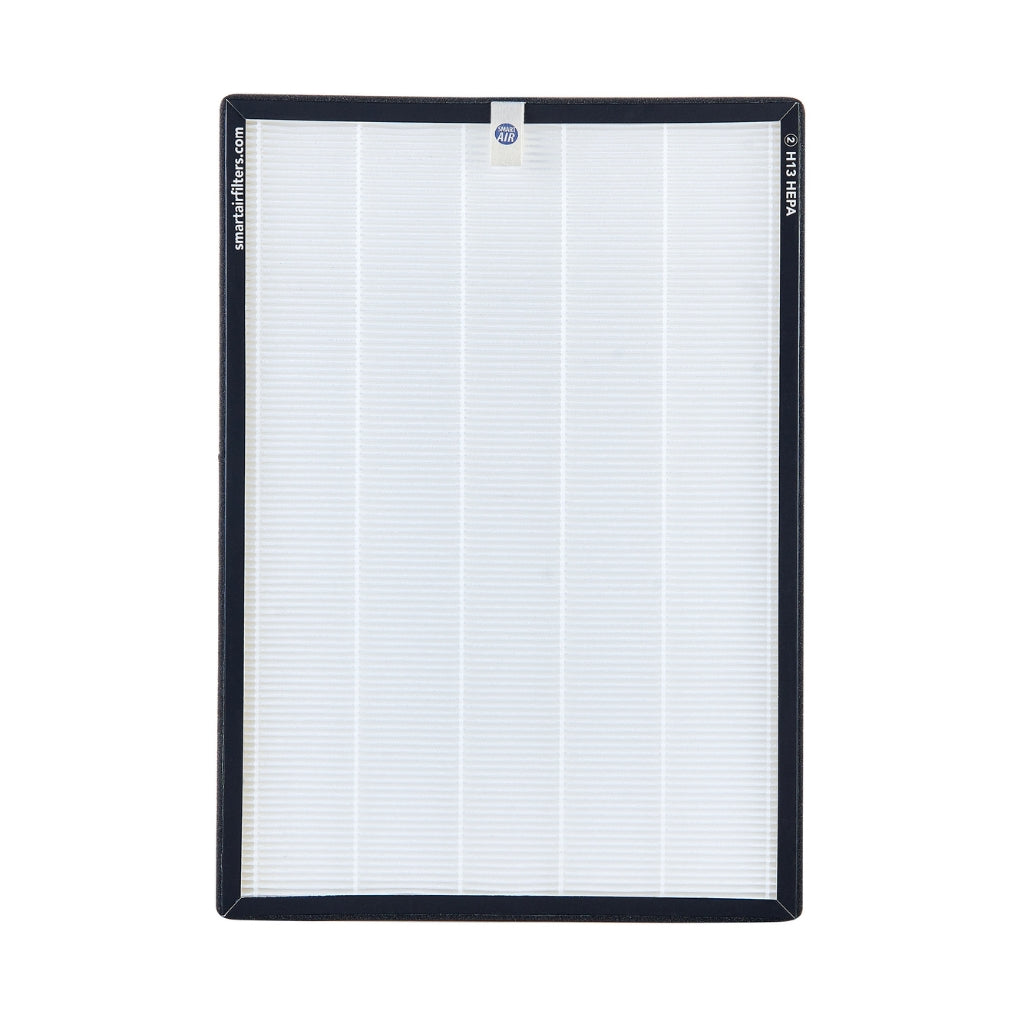
HEPA filtration is key for airborne dander and allergens
Carbon filters help with pet smells
Air purifiers don’t remove pet hair from floors or furniture
Simple, filter-based purifiers are safe for use around pets
Table of contents
1. How pets affect indoor air quality 2. How air purifiers help pet owners 3. HEPA filtration and pet dander (why it matters) 4. Airflow matters: why CADR is just as important 5. Pet hair, pre-filters, and a common misconception 6. Pet odours and smells 7. Are air purifiers safe to use around pets?
1. How pets affect indoor air quality
Pets contribute to indoor air quality in a few different ways:
Pet dander, tiny skin flakes that stay airborne
Fine dust stirred up by movement
Odours from litter trays, bedding, or wet fur
Hair, which mostly settles on surfaces
While pet hair is the most visible issue, it’s usually pet dander and fine particles that affect air quality and trigger allergies.
2. How air purifiers help pet owners
Air purifiers help by continuously pulling air through a filter and removing fine airborne particles.
What air purifiers can help with:
Capturing airborne pet dander
Reducing fine dust stirred up by pets
Helping with pet-related odours
Improving overall indoor air quality
This can make a noticeable difference, especially in:
Living areas where pets spend time
Bedrooms where people sleep
Homes with multiple pets
3. HEPA filtration and pet dander (why it matters)
Pet dander particles are extremely small, much smaller than visible hair. This is why HEPA filtration matters.
HEPA filters physically trap fine particles as air passes through the filter, including:
Pet dander
Fine dust
Pollen and other allergens
Without HEPA filtration, these particles stay airborne for much longer.
4. Airflow matters: why CADR is just as important
Filtration alone isn’t enough. The purifier also needs to move enough air through the filter.
This is where CADR (Clean Air Delivery Rate) comes in. CADR tells you how much clean air a purifier can deliver per hour. For pet owners, higher CADR helps because:
Pets are constantly moving and stirring particles into the air
Dander is continuously being released
The air needs to be cleaned repeatedly, not just once
Important to know:
For pets, HEPA filtration + sufficient CADR work together. A strong filter without enough airflow (CADR), or airflow without proper filtration won’t deliver consistent results.
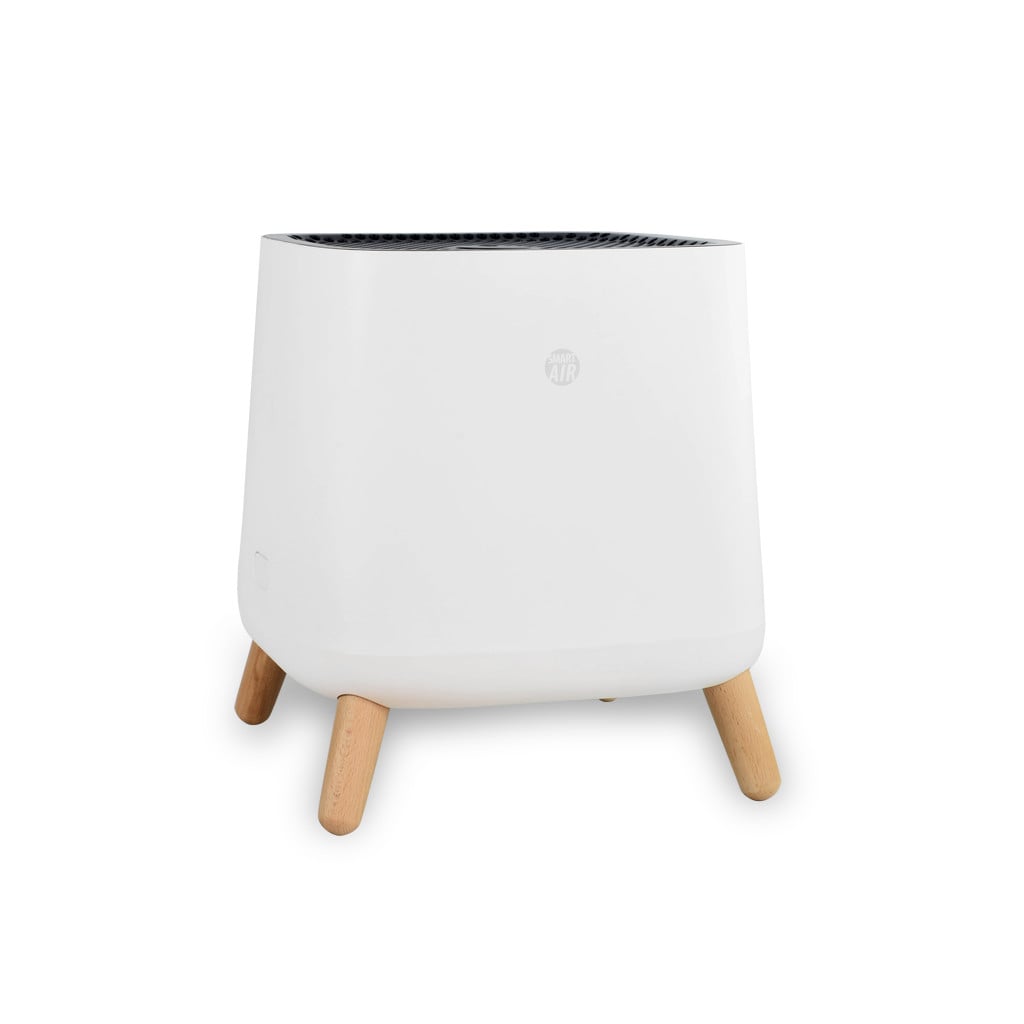
Smart Air SA600: A practical air purifier for pet owners
If you’re looking for an air purifier that handles pet dander and everyday odours without unnecessary features, the SA600 is a great all-round option.
Why it works well for pets:
HEPA filtration for fine pet dander and dust
Built-in carbon filter for everyday odours
High CADR to keep up with active households
Quiet operation for continuous use
Simple, filter-based design with no ionisers or UV
Shop Smart Air SA600
5. Pet hair, pre-filters, and a common misconception
One of the biggest points of confusion around air purifiers for pets, is pet hair. A lot of that confusion comes from how air purifiers are marketed.
You’ll often see claims around “pet hair filters” or purifiers designed “specifically for shedding pets”. The reality is a little different to what the marketing says.
The key thing to understand:
Pet hair isn't an airborne problem. Air purifiers aren't designed to remove it from your home.
Pet hair is relatively heavy. Most of it:
Falls onto floors, furniture, and bedding
Gets removed by vacuuming or cleaning
Never stays airborne long enough to reach a purifier
This is why even the best air purifier won’t significantly reduce visible pet hair around your home.
What air purifiers actually help with in pet homes:
Pet dander (tiny skin flakes that stay airborne)
Fine dust stirred up by pets moving around
Odour-causing gases from litter trays, bedding, or wet fur
Where pre-filters fit in
Pre-filters are useful, but often misunderstood. A pre-filter:
Catches hair and larger debris that pass close to the purifier
Protects the HEPA filter from clogging too quickly
Helps extend filter life
It doesn’t:
Remove large amounts of pet hair from the room
Replace vacuuming or cleaning
The simple takeaway:
For pet owners, the real air-quality benefit comes from HEPA filtration for fine dander and dust, supported by a pre-filter that stops hair from clogging the system. Not from trying to remove all visible pet hair from the home.
6. Pet odours and smells
Pet-related smells are another common reason people look for an air purifier for pets.
How air purifiers help with smells
Odours are caused by gases, not particles. To help reduce them, an air purifier needs a carbon filter.
Carbon filters can help with:
Litter tray smells
Wet dog odours
General pet-related smells
However, not all carbon filters are the same.
Why carbon quality matters
Many air purifiers include a token carbon layer or thin carbon mesh. While this allows them to claim odour or VOC filtration, it often makes little difference in real use.
What actually matters is:
Carbon pellets or granules, not just a coated mesh
Carbon weight, more carbon means more odour-absorbing capacity
Airflow through the carbon, so odour-laden air actually passes through it
Light carbon filters may help with mild, everyday smells, but they won’t cope well with stronger or persistent pet odours.
7. Are air purifiers safe to use around pets?
This is an important question, especially for smaller or more sensitive animals. The short answer: yes, when designed properly.
Standard air purifiers (like ours) are essentially:
A fan
A filter
Air movement and suction are not strong enough to pose a risk to pets.
What to be cautious of
Ionisers or negative ion generators, which can produce ozone
UV lights
Unprotected fans
These are best avoided, particularly for small pets like birds which are more sensitive to ozone. Simple HEPA-based purifiers, without added technologies, are safe to use around animals.
Wrap-up: the honest takeaway for pet owners:
Air purifiers won’t stop pets shedding or replace cleaning. But they can help reduce airborne pet dander, fine dust, and everyday odours.
For pet owners, the most effective approach is:
HEPA filtration for fine particles
Enough airflow to keep up with daily activity
Carbon filtration for smells
A simple, safe design without extra technologies
Air purifiers for pet owners
These HEPA air purifiers are designed to handle the realities of pet-friendly homes. From airborne dander to everyday odours, while running quietly and safely.
See Product
See Product
See Product
Do air purifiers help with pet allergies?
They can help by reducing airborne pet dander, which can improve symptoms for some people. However, everyone is different so results may vary.
Will an air purifier remove pet hair?
No. Pet hair usually settles on surfaces. Air purifiers help with fine airborne particles, not visible hair.
Are air purifiers safe for pets?
Yes, as long as they don’t use ionisers, ozone, or UV light. Simple fan-and-filter purifiers are safe around pets.
Do I need a specially designed “pet” air purifier?
Not really. A well-sized HEPA air purifier with sufficient airflow works just as well.
Relevant Articles:
The Best Air Purifiers in New Zealand: 2025 Comparison
Read more
Ionisers Explained: Why We Don’t Use Them (and Why Some Brands Do)
Read more
Best Air Purifiers for Allergies (NZ Guide)
Read more