Clean Air Blog
Clean Air Blog
New Home Smell Making You Sick? Tackle VOCs with These Tips
on Aug 10 2024
Whether it's moving into a new home or doing some DIY renovations, many of us will be familiar with that 'new home smell'. Unfortunately, behind that smell are a number of potentially dangerous chemicals or VOCs such as formaldehyde! For some this may cause headaches, dizziness and other health issues.
This brings us to the question: How do you keep yourself safe from these VOCs and can an air purifier help?
The good news is there are ways to mitigate these VOCs and the right air purifier can definitely help!
Understanding VOCs and Their Sources
VOCs are emitted as gases from certain solids or liquids. Common sources in new builds and renovations include:
Formaldehyde: Found in building materials like plywood, particleboard, and adhesives.
Benzene: Emitted from paints, glues, and cleaning products.
Toluene: Present in paints, paint thinners, and adhesives.
Health Impacts
Exposure to VOCs can cause, amongst other things:
Headaches
Dizziness
Respiratory issues
Eye, nose, and throat irritation
Monitoring VOC levels with an Air Quality Monitor
Using an air quality monitor with a TVOC sensor, like the QP Pro 2 or the Temtop M10 can help you gauge VOC levels in your home. While you won't see levels of each specific chemicals, measuring the VOCs will help give a picture of baseline levels of VOCs in the air and can show the effectiveness of different tactics in reducing VOCs.
Effective Strategies for Reducing VOCs
Ventilation
The most effective way to reduce VOCs is through ventilation:
Mechanical Ventilation: Use exhaust fans or air exchangers like HRV systems.
Natural Ventilation: Open windows and doors to create a strong cross breeze.
Formaldehyde Cookouts
These are a way to force more formaldehyde from building materials, furniture etc. in a shorter period of time. Note you should avoid being inside when the cookout is run.
Smart Air have written a detailed guide here, however the basic process is:
1. Close windows/doors and increase temperature, through heating or naturally with sunlight. Aim for 30+ degrees if possible.
2. Keep the temperature up for a few hours, ideally 6-8 if possible.
3. When you return, open windows and doors to remove the formaldehyde from the air and return the space to a normal temperature.
4. Repeat this several times
Air Purifiers with Activated Carbon Filters
An air purifier with a carbon (VOC) filter can provide additional assistance, especially when ventilation isn't possible.
Key Factors to Consider:
Amount of Carbon: This determines the amount of VOCs which can be filtered before the filter becomes saturated. Some mesh-style "carbon filters" may last only a few minutes in high VOC environments.
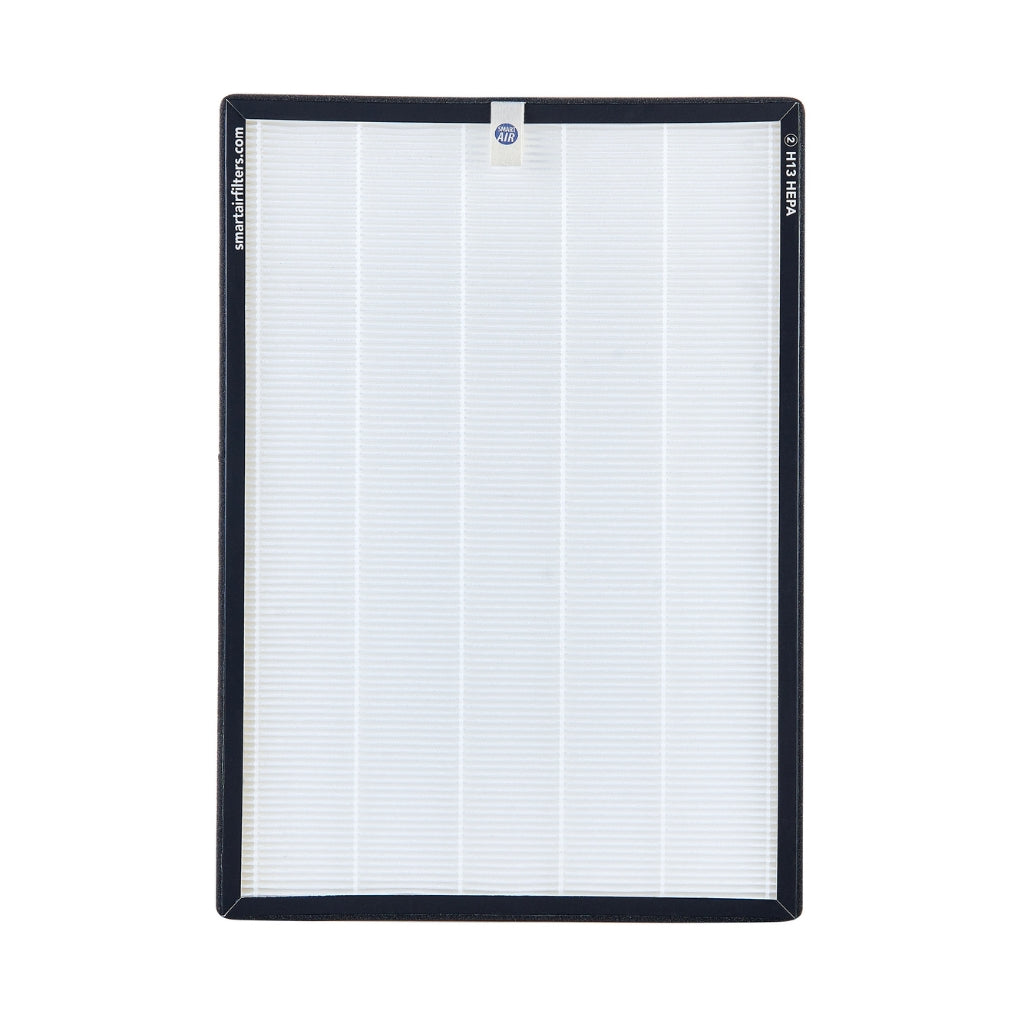
Separate Carbon Filter: Allows for easy replacement when needed, as in high VOC situations the Carbon Filter will likely need replacing well before the HEPA filter.
Our Recommended Purifiers:
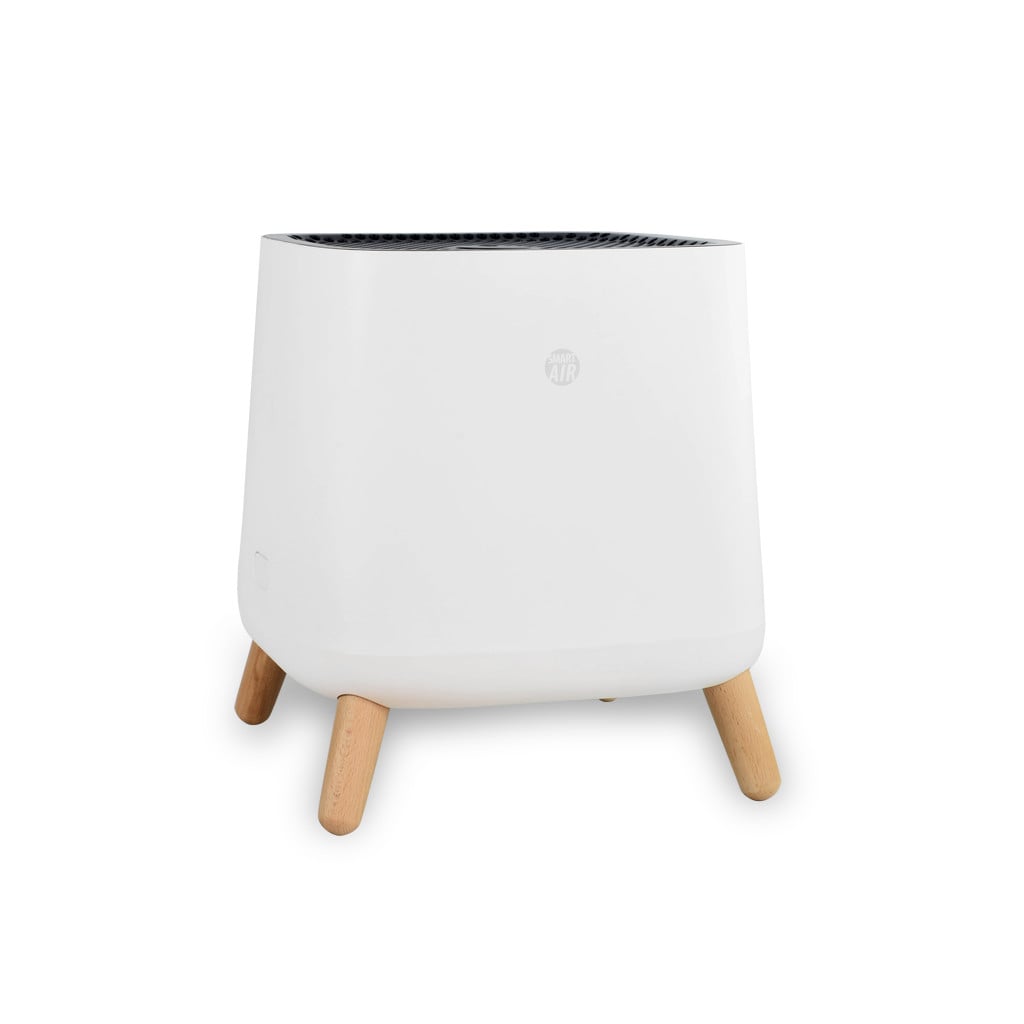
Sqair: 140g of activated carbon per filter.
SA600: 170g per filter (2 per purifier).
Blast Mini: 550g of activated carbon per filter (optional extra).
Blast: 0.9kg of activated carbon per filter (optional extra).
For additional VOC cleaning power, you can remove the HEPA filter and use multiple carbon filters in our purifiers.
Wrapping Up
VOCs are an unfortunate reality in newly built or renovated homes. It's essential to tackle these to maintain good indoor air quality and health. Ventilation, both mechanical and natural, is the most effective strategy.
Additionally, using air purifiers with plenty of activated carbon can provide assistance, especially when ventilation is not possible. Formaldehyde Cookouts are an additional tool to help lower the levels of formaldehyde being released.
Clean Air Blog
Can Air Purifiers Remove Odours? A Practical NZ Guide
on Sep 11 2023
Odours and chemical smells are one of the most common reasons people start looking into air purifiers. Whether it’s cooking smells, pet odours, smoke, or off-gassing from everyday products.
Air purifiers can help reduce odours and VOCs, but only when they’re used correctly and paired with the right type of filter. They’re also not a silver bullet, ventilation still plays a critical role.
This guide explains:
What causes odours and VOCs indoors
How air purifiers help (and where they don’t)
What actually matters in a carbon filter
How to set realistic expectations
Quick Summary: Air Purifiers and Odours
Odours are caused by gases (VOCs), not particles
HEPA filters alone do not remove odours
Activated carbon is required for odour and VOC reduction
More carbon = better performance (measured by weight)
Ventilation is still the most effective way to clear smells
Table of contents
1. What causes odours and VOCs indoors? 2. HEPA vs carbon: Why odours are different 3. How carbon filters actually work 4. Why "carbon filter included" often means very little 5. Realistic expectations: what air purifiers can (and can’t) do 6. Odours & VOCs in specific situations 7. How our purifiers handle odours and VOCs 8. Carbon filter lifespan: a common question
1. What causes odours and VOCs indoors?
Most odours indoors come from volatile organic compounds (VOCs). These are gases released by everyday activities and materials.
Common sources include:
Cooking (especially frying, oils, spices)
Pet odours and litter trays
Smoke (fires, wood burners, tobacco)
Cleaning products and sprays
Paints, glues, sealants, and new furniture
Workshops, 3D printing, resin, and hobby spaces
Because VOCs are gases, they behave very differently to dust or pollen. This is why filter choice matters so much.
2. HEPA vs carbon: Why odours are different
This is a key point that’s often misunderstood.
HEPA filters capture particles like dust, pollen, mould spores, and PM2.5. They are excellent at this, but they do not remove gases or smells.
To reduce odours and VOCs, you need activated carbon filtration.
If a purifier doesn’t contain meaningful amounts of activated carbon, it won’t do much for odours. Regardless of how good other filter(s) are.
3. How carbon filters actually work
Activated carbon works by adsorbing gases onto its surface. The effectiveness depends on three main factors:
1. Carbon Form
Carbon pellets or granules are far more effective than thin carbon-coated meshes.
2. Carbon Quantity
More carbon means more surface area and longer‑lasting odour reduction. This is why carbon weight (grams or kilograms) matters.
3. Airflow (CADR)
A purifier needs sufficient airflow to pull odours and VOCs from around the room and pass them through the carbon filter. If airflow is too weak, much of the polluted air simply never reaches the filter.
This is a common issue with small or low‑powered purifiers marketed for odours. Even if they contain carbon, insufficient airflow means odours don’t get a proper chance to be treated.
4. Why "carbon filter included" often means very little
Many air purifiers advertise that they include a “carbon filter” or “VOC layer”, but in practice this can be:
A very thin carbon sheet
Only a small amount of carbon
Designed more for marketing than performance
These filters may slightly reduce smells at first, but they saturate quickly and provide limited ongoing benefit.
5. Realistic expectations: what air purifiers can (and can’t) do
Air purifiers with proper carbon filtration can:
Reduce everyday odours over time
Lower background VOC levels
Improve perceived air freshness
They won't:
Instantly remove strong smells
Eliminate odours embedded in walls, carpets, or furniture
Replace ventilation
For persistent or strong odours, ventilation is still the most effective solution. That means opening windows and doors, or using mechanical systems like HRV, extraction fans and kitchen rangehoods.
6. Odours & VOCs in specific situations
Cooking Smells
Carbon filters can help reduce lingering smells, but kitchen extraction and ventilation remain important.
Pet Odours
Carbon helps with odours; HEPA helps with dander and allergens. To learn more, check out our article on purifiers and pets
Smoke Smells
Air purifiers can help with airborne smoke particles (HEPA filtration) and some smells. However smoke, especially from cigarettes often permeates furnishings and building materials. This means a purifier won't provide as much help when it comes to removing smells from a long term smoker house.
Workshops, resin, and 3D printing
Carbon filtration becomes much more important here. Many people underestimate how much carbon is needed for chemical vapours. For ongoing hobby or workshop use, larger carbon amounts and good ventilation are strongly recommended.
New home smells and renovations
If you’re dealing with new home smells, renovations, paint, or off‑gassing materials, we cover that in more detail in our dedicated article on new home smells and VOCs.
VOCs in New Homes & Renovations Guide
7. How our purifiers handle odours and VOCs
We focus on real, measurable carbon filtration, paired with enough airflow to actually circulate room air.
Smart Air Sqair
Carbon filter included as standard
140g of carbon pellets per filter
Additional carbon filters can replace the HEPA for heavier VOC use
Add up to 5 extra carbon filters in total for increased odour reduction
View Smart Air Sqair
Smart Air SA600
2x Carbon filters included as standard
170g carbon pellets per filter
Can add 2 additional carbon filters for higher VOC loads
Quiet enough to run continuously
View Smart Air SA600
Smart Air Blast Mini Mk II
Optional carbon filter
550g carbon pellets per filter
Quiet enough to run continuously
View Smart Air Blast Mini Mk II
Smart Air Blast Mk II
Optional carbon filter
900g carbon pellets per filter
Quiet enough to run continuously
View Smart Air Blast Mk II
8. Carbon filter lifespan: a common question
Carbon filter lifespan is very difficult to estimate, as it can vary massively depending on:
Type and concentration of VOCs
Room size and airflow
How often the purifier is running
In light odour environments, carbon filters may last many months. In heavier VOC settings (painting, resin, smoke), they can saturate much faster. Weaker carbon filters may only last a matter of hours in these situations.
Many people replace carbon filters when odours stop improving or based on the smell test
Final Takeaway:
Air purifiers can play a useful role in managing odours and VOCs - but only when they include meaningful amounts of activated carbon and enough airflow to circulate room air effectively.
For best results, pair air purification with good ventilation and realistic expectations.
Do air purifiers remove smells completely?
Air purifiers can reduce odours over time, but they rarely eliminate them completely. Strong or persistent smells often come from surfaces, furnishings, or building materials, which air purifiers can’t clean. Ventilation remains essential.
Do HEPA filters help with odours?
No. HEPA filters are designed to capture particles like dust, pollen, and smoke particles, but they do not remove gases or smells. Odour and VOC reduction requires activated carbon.
How much carbon do I need for odours?
There’s no single answer, but more carbon generally performs better. Purifiers with only a thin carbon layer may help briefly, while units with hundreds or thousands of grams of carbon provide longer‑lasting odour reduction.
Can air purifiers help with smoke smells?
They can help reduce airborne smoke particles and some smell, but smoke, especially from cigarettes often penetrates walls, carpets, and furniture. In those cases, air purifiers have limited impact on lingering odours.
Relevant Articles:
The Best Air Purifiers in New Zealand: 2025 Comparison
Read more
New Home Smell Making You Sick? Tackle VOCs with These Tips
Read more
How to Stay Safe in Smoke | NZ Guide to Clean Indoor Air
Read more