Clean Air Blog

How to Stay Safe in Smoke: NZ Guide to Clean Indoor Air

Clean Air Blog

How to Stay Safe in Smoke: NZ Guide to Clean Indoor Air

on Dec 10 2025
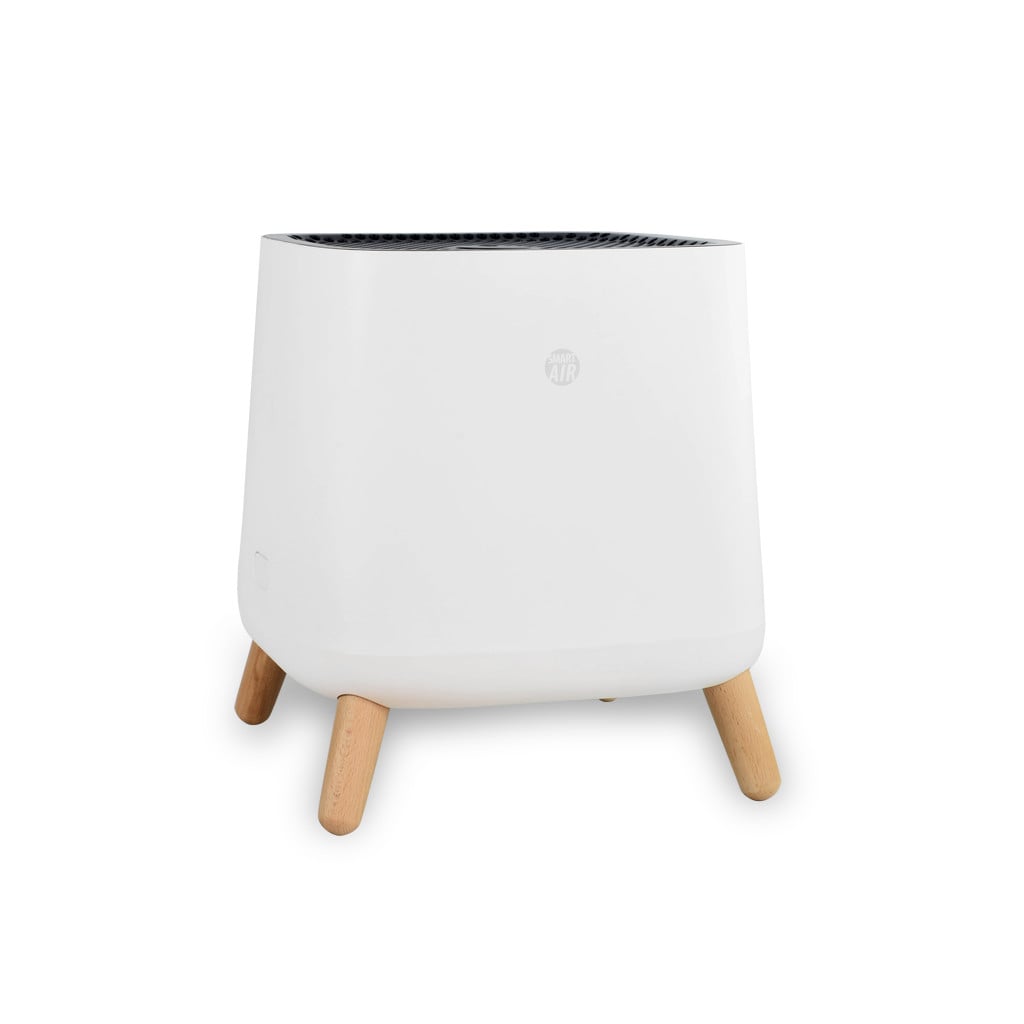
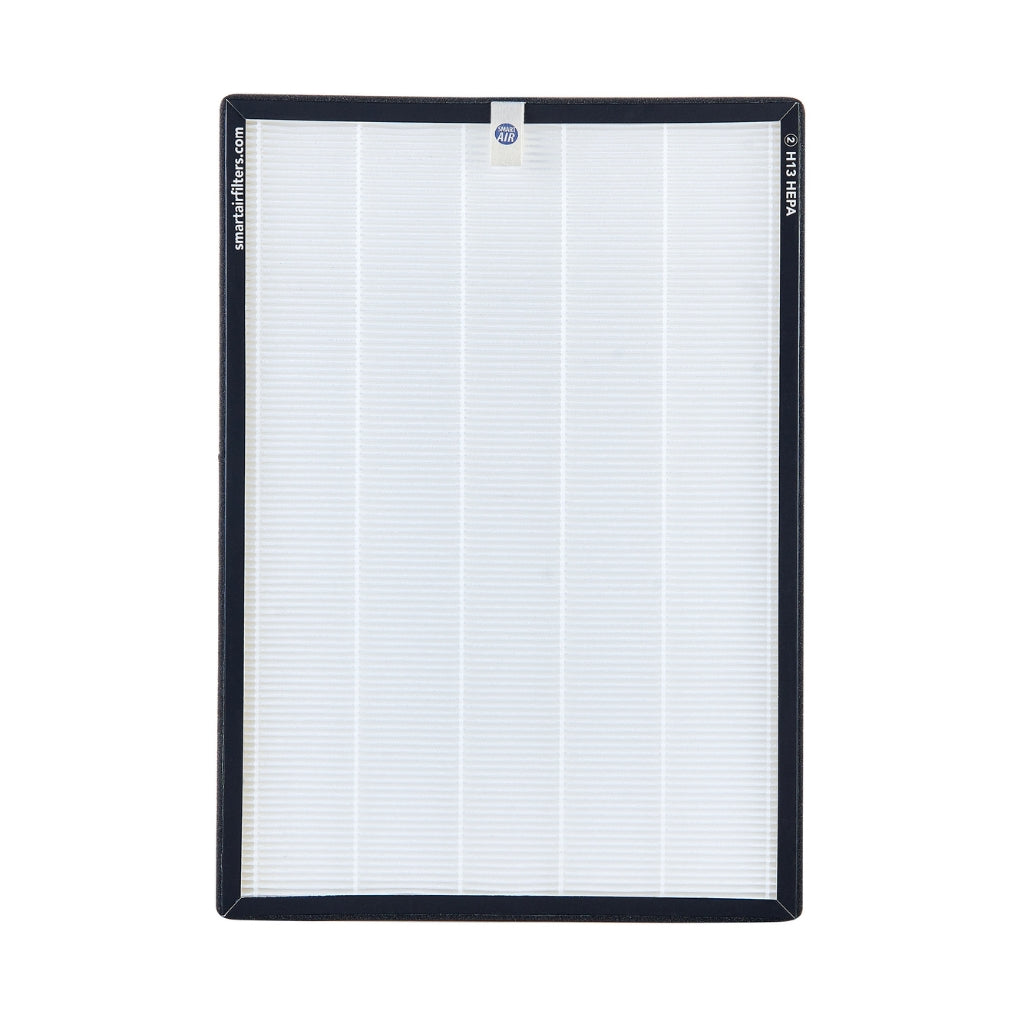
Smoke can affect air quality in New Zealand at any time of year, not just during summer wildfires. Winter woodburners, controlled burns, industrial or vehicle fires, building fires, and even smoke drifting over from Australia can all push PM2.5 levels up. Events like the Port Hills Fire in Christchurch (Feb 2024) show how quickly air quality can change and how important it is to know what to do. Whether smoke is coming from your neighbour’s chimney, a nearby scrub fire, or a major incident, the aim is the same: keep PM2.5 out of your lungs and out of your home as much as possible. 1. Why Smoke Is Harmful, Understanding PM2.5 Smoke contains a mix of gases and particles, but the main concern is PM2.5: particles small enough to enter deep into the lungs and even the bloodstream. PM2.5 can: Irritate the throat, nose and eyes Worsen asthma and allergies Aggravate heart and lung conditions Cause headaches and poor sleep Build up indoors unless removed In NZ, winter woodburners regularly cause PM2.5 spikes — especially on still nights that trap smoke near the ground. Large events like the Port Hills Fire or Australian bushfire drift can cause very high short-term levels as well. If you can see or smell smoke, assume PM2.5 is elevated. 2. Keeping Smoke Out of Your Home Health NZ’s general advice during smoke events is simple: Stay indoors if possible Close all windows and doors Reduce outdoor air getting inside You can see their full guidance here → Here’s how to put that into practice at home: Close and seal your home Shut windows and doors Use curtains, door snakes, or towels to block gaps Avoid creating drafts Turn off ventilation systems that pull in outdoor air Systems such as HRV or positive-pressure ventilation often draw outside air in, and most cannot effectively filter out PM2.5. Turn these off during smoke events unless your system has a HEPA intake filter. Heat pumps are fine, they recirculate indoor air and don't draw in smoke. Reduce indoor PM2.5 contributors These activities make indoor smoke levels worse: Frying or grilling Burning candles or incense Vacuuming (which stirs up dust) Smoking indoors Keep indoor air as stable as possible. Create a Cleaner Air Space Indoors Pick a room (often a bedroom or living area) and keep the air in there as clean as possible by: Keeping windows and doors shut Reducing drafts Avoiding dust-creating activities Running a HEPA purifier This room becomes your safest indoor space during heavy smoke. 3. Checking Air Quality in NZ Smoke levels can shift quickly, whether from woodburners, fires, or drifting smoke. Checking air quality helps you know when to seal the home and when to ventilate. One challenge is that air-quality monitoring in NZ is limited.Even with community networks like PurpleAir and AirGradient, many towns and rural areas have no sensors at all. Official monitoring is even more restricted. These are the most useful tools: IQAir (best real-time map — aggregates multiple sources) IQAir combines: Official regional council monitors PurpleAir community sensors AirGradient sensors Other public/global data sources It’s often the most complete real-time view in NZ, especially if your town has no official station. View the map here → LAWA Air Quality (official NZ data + long-term trends) LAWA provides verified PM2.5 and PM10 readings where regional councils have monitors, plus: Recent hourly data Long-term and seasonal trends Annual exceedances of NZ standards Great for understanding typical patterns, coverage varies. View the map here → Indoor air-quality monitors Outdoor data doesn’t always reflect what’s happening inside your home.An indoor PM2.5 monitor helps you see: How much smoke is leaking in When levels rise How effective your purifier is This is especially useful in older NZ homes that naturally draw in outdoor air. We have a selection of Air Quality Monitors here → 4. Air Purifiers: The Most Effective Way to Reduce PM2.5 Indoors A HEPA air purifier is the most effective tool for lowering PM2.5 indoors during smoke events. Whether it’s from wildfires, woodburners, industrial fires, or long-range smoke drift. Why HEPA works best HEPA filters are extremely effective at physically trapping fine smoke particles. Their very fine weave and fibrous nature means particles big and small are captured and removed from the air. Most home ventilation systems cannot properly remove PM2.5 unless upgraded with a HEPA-grade filter, which normally isn't done as it restricts airflow significantly. What to look for HEPA filtration, H11/H12/H13 grades will be very effective High CADR / strong airflow No ionisers or plasma systems (they can create harmful byproducts) How to use your purifier During major smoke events: Run on medium–high Keep doors closed Focus on rooms you’re actively using A purifier can quickly bring PM2.5 under control even in older or draughty homes. 5. Do Carbon Filters Help? HEPA removes harmful particles. Carbon filters help with: Smoke odour VOCs from woodburners Lingering wildfire smells Fumes from industrial fires Carbon is optional for comfort, but HEPA is essential for safety. 6. Final Thoughts Smoke can impact New Zealand homes any time of year, whether from winter woodburners, wildfires, industrial incidents or far-travelled smoke. The most effective approach is: Keep smoke out Turn off systems that bring outdoor air inside Use a HEPA purifier to reduce PM2.5 Monitor air quality inside and out These simple steps help keep your indoor air healthier during smoke events. Our store contains a selection of effective and affordable air purifiers and air quality monitors designed to keep you safe from smoke.