Clean Air Blog

Image of a warning sign saying 'Allergy Season Ahead' with countryside background behind

Clean Air Blog

Best Air Purifiers for Allergies (NZ Guide)

on Jan 05 2026
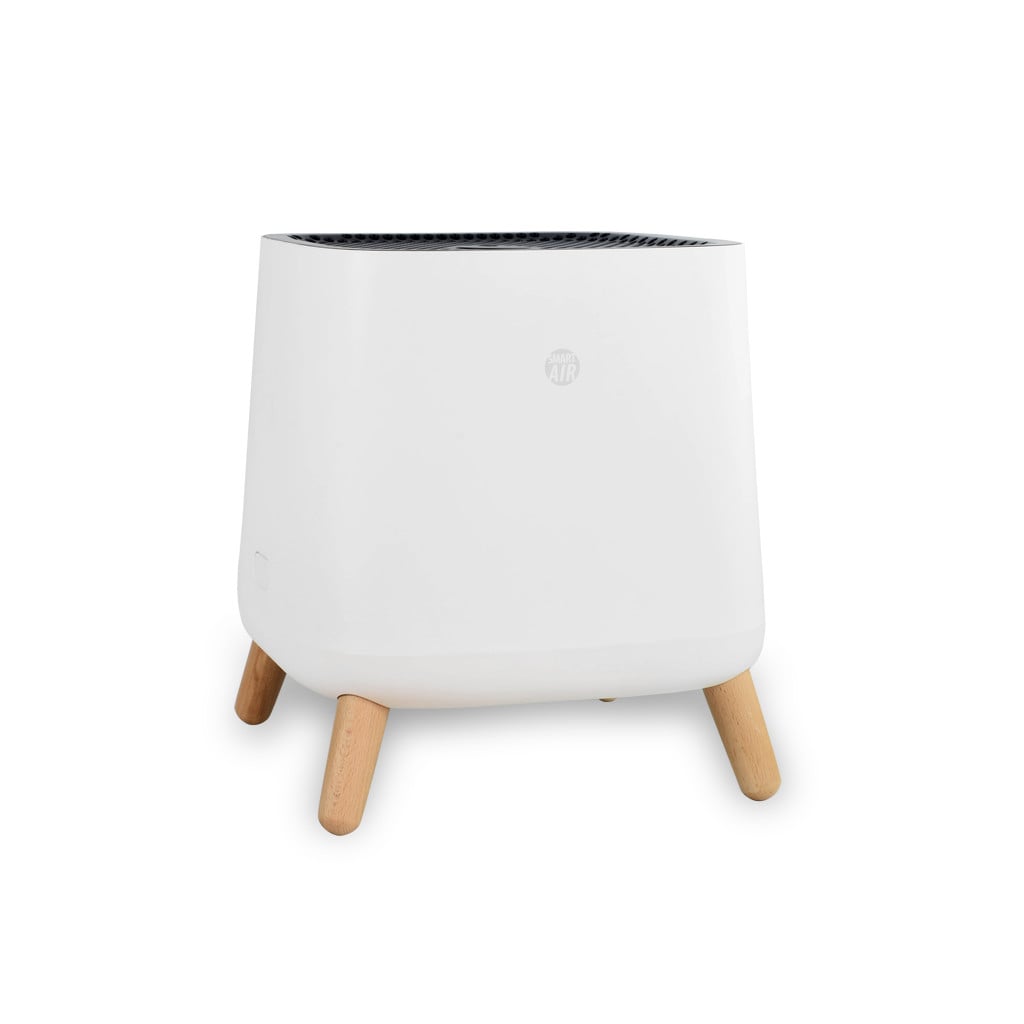
Allergies are one of the most common reasons people look at air purifiers - whether it’s pollen, dust mites, pet dander, or fine particles that trigger symptoms indoors. The good news is that a properly chosen air purifier can genuinely help with allergies. The less helpful news is that not all air purifiers work equally well, and many features that sound appealing don’t actually improve allergy relief. This guide explains: How air purifiers help with allergies Which allergy triggers purifiers can (and can’t) address How to size a purifier for effective, quiet use Which actually matters and which features to ignore For many allergy sufferers, a well-sized HEPA air purifier can noticeably reduce symptoms by lowering the amount of allergens in the air you breathe. Quick Summary: Air Purifiers for Allergies Air purifiers can help reduce common indoor allergy triggers HEPA filters are essential for capturing fine allergens CADR (Clean Air Delivery Rate) determines how effectively a room is cleaned Sizing and noise levels matter for day-to-day and overnight use Avoid ionisers and gimmicks that don’t improve real filtration Table of contents 1. How air purifiers help with allergies 2. What actually matters for allergy relief 3. HEPA filtration is the most important factor 4. Sizing a purifier properly (room size → CADR) 5. Features that don't necessarily improve allergy relief 1. How air purifiers help with allergies Allergies are triggered when your immune system reacts to airborne particles such as pollen, dust, pet dander, or smoke. Air purifiers don’t cure allergies. Instead, they can help by reducing how much of these particles you’re breathing in, especially indoors where allergens can build up. A good air purifier can: Capture pollen and outdoor allergens that enter through doors and windows Reduce dust and dust mite debris in the air Remove pet dander and fine hair fragments Lower PM2.5, which can worsen allergy and asthma symptoms Because allergens are constantly being stirred back into the air as you move around your home, purifiers work best when they’re run consistently, not just occasionally. 2. What actually matters for allergy relief HEPA filtration (H11, H12 or H13 can all work well) Enough cleaning power for your room size Quiet operation, so it can run for long periods A simple, proven design without added technologies such as ionisers These fundamentals matter far more than flashy features or long spec sheets. However, it's important to note that everyone has different triggers and sensitivities. For this reason we can't guarantee an air purifier will help, but for many allergy sufferers it does lead to an improvement in symptoms. Understanding CADR You’ll often see air purifiers described using a term called CADR, which stands for Clean Air Delivery Rate. In simple terms, CADR tells you: How much clean air a purifier can deliver per hour A higher CADR means the purifier can clean the air in a room more frequently, which is especially important for allergy sufferers. Many people focus on filter grade alone, but CADR is what determines whether the purifier can actually keep up with allergens in your space. Why CADR matters for allergies: Allergens don’t disappear after one pass through a filter. They’re constantly being reintroduced as you walk around, open doors, or sit on furniture. For allergies, it’s usually better to have: A purifier that cleans the air multiple times per hour Rather than one that cleans slowly but looks impressive on paper 3. HEPA filtration is the most important factor HEPA filters work by physically trapping particles as air passes through the filter. This includes most common allergy triggers like pollen, dust, pet dander, and fine particulate matter (PM2.5). You may see different grades mentioned (H11, H12, H13). Higher grades filter slightly finer particles, but in homes the combination of HEPA filtration and sufficient CADR is what delivers the biggest improvement. A well-designed purifier with slightly lower HEPA grade but strong airflow (CADR) will always outperform a higher-grade filter paired with weak airflow. 4. Sizing a purifier properly (room size → CADR) Many air purifiers advertise large room sizes, but those claims can be misleading. A more reliable way to size a purifier is to work backwards from CADR. Quick rule of thumb: Multiply your room size (m²) by 7.5 to estimate the minimum CADR you should aim for. For example: 20 m² room → 150 CADR 40 m² room → 300 CADR For allergy sufferers, higher air change rates often deliver better results, especially during pollen season or in homes with pets. Smart Air SA600: A practical example for allergy relief Designed to deliver meaningful airflow at low noise levels, while still having enough power for larger living spaces. Key features: Runs as quiet as 16 dB on low, suitable for bedroom usage Scales up to cover living areas up to around 65 m² Reaches 51 dB at full power when maximum airflow is needed Uses true H13 HEPA filtration for dust, pollen and PM2.5 No ionisers or ozone-producing technologies View Smart Air SA600 Why manufacturer room size claims can be confusing There's no single standard for how brands calculate room size recommendations, which leads to many manufacturers in New Zealand using very exaggerated room size claims. This means two purifiers could be similarly priced and claim the same effective room size, yet one may be several times weaker than the other. Noise levels - what matters in real use Noise plays a bigger role in allergy relief than many people expect. Because allergies are ongoing, purifiers often need to run for many hours at a time - sometimes all day and night. If a unit is too loud, it’s likely to be turned down or off. During the day: Living rooms & shared spaces In living areas: Higher fan speeds are often used to deal with cooking, cleaning, pets, or open windows Noise levels around 40–50 dB are usually acceptable This is when higher CADR is most useful, as allergens are actively stirred up A purifier that can scale up during the day and then run quietly later, offers much more flexibility. Overnight use: Bedrooms & allergy symptoms For many allergy sufferers, bedroom air quality overnight is critical. With purifiers often running for long periods, lower noise becomes much more important. As a guide: Under 30 dB is ideal for overnight use Lower is better if you are noise-sensitive Avoid any with lights that may be distracting Learn More About Air Purifiers & Sleep 5. Features that don't necessarily improve allergy relief Some features are often marketed as allergy upgrades, but don’t usually improve real-world results. Be cautious of: Ionisers or negative ion generators UV lights Auto modes based on built in sensors The takeaway for allergy sufferers: Air purifiers can make a real difference for allergies - but only if they’re sized properly, quiet enough to run consistently, and focused on proven filtration rather than gimmicks. For most homes, a simple HEPA-based purifier with sufficient CADR will outperform more complex models packed with extra features. Air purifiers designed for allergy relief Explore HEPA air purifiers designed to reduce airborne allergens like pollen, dust and pet dander in real NZ homes. Quiet enough for bedrooms, powerful enough for living spaces. See Product See Product See Product Do air purifiers help with specific allergies? Pollen allergiesYes. HEPA air purifiers are very effective when sized correctly and run consistently. Dust and dust-mite allergiesThey help reduce airborne dust and debris, though washing bedding and controlling humidity also matter. Pet allergiesPurifiers can significantly reduce airborne dander, but won’t remove allergens already settled on surfaces. Do air purifiers really help with allergies? Yes. When properly sized, HEPA air purifiers can significantly reduce airborne allergens like pollen, dust and pet dander. However, it's important to note everyone has different sensitivities - so results aren't guaranteed. How long does it take to notice a difference? Some people notice improvement within hours, while others see gradual benefits over a few days of continuous use. Should I keep windows closed when using an air purifier? During high pollen days, keeping windows mostly closed helps purifiers work more effectively. Ventilation can be balanced at other times. Relevant Articles: The Best Air Purifiers in New Zealand: 2025 Comparison Read more Ionisers Explained: Why We Don’t Use Them (and Why Some Brands Do) Read more The Best Air Purifiers for Asthma in New Zealand Read more